

 Article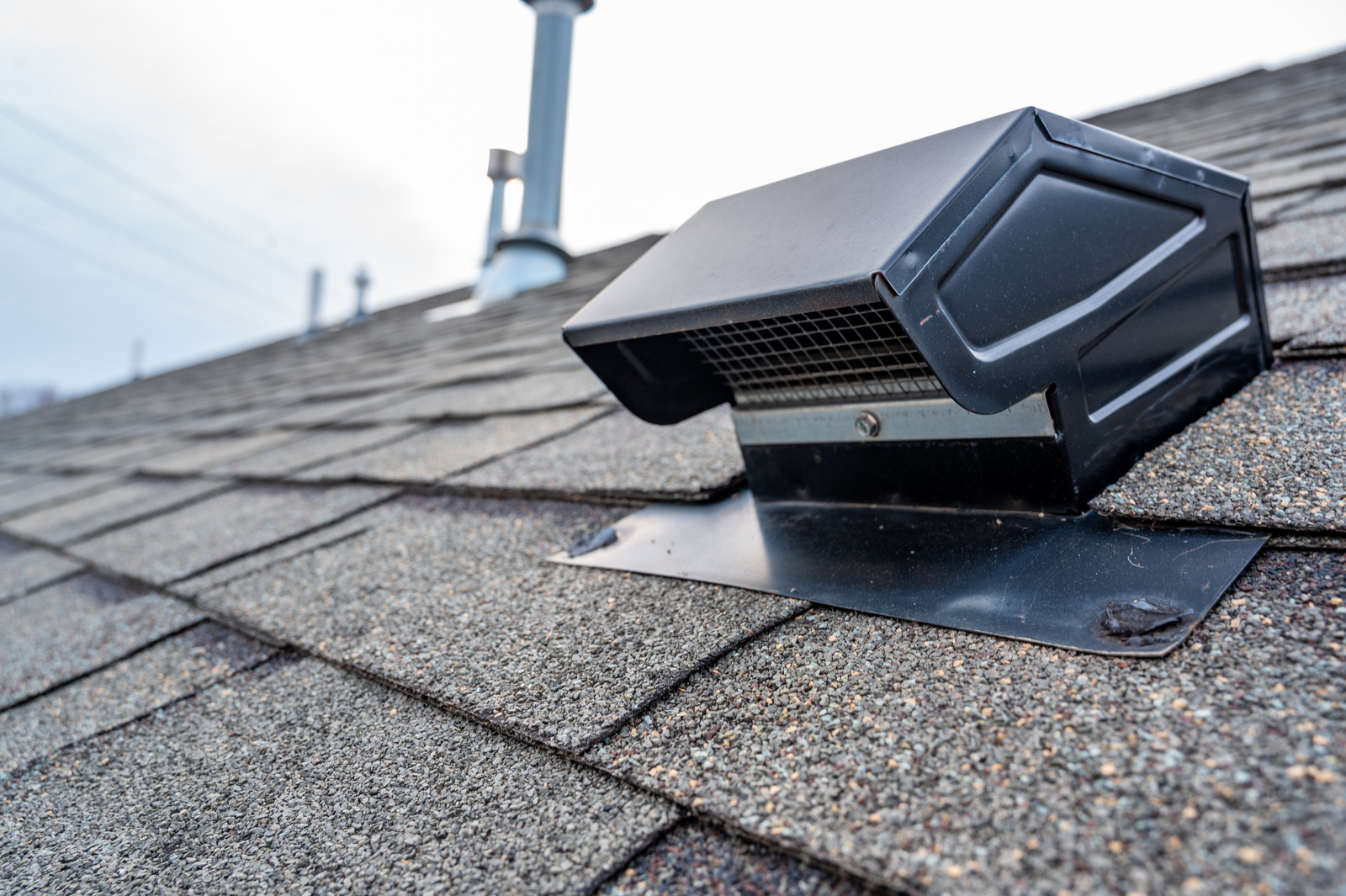
Why Bathroom Ventilation Matters
Bathrooms produce a high level of moisture from showers, baths, and sinks. Without proper ventilation, this moisture can build up and cause:
- Mold and mildew growth
- Damage to walls, ceilings, and insulation
- Poor indoor air quality
- Lingering odors
A properly installed exhaust fan removes this moisture and directs it safely out of your home.
Why Venting Into the Attic Is a Bad Idea
Some older homes or improperly installed bathroom fans vent directly into the attic. While it may seem harmless, this can cause major issues.
Moisture Buildup
Warm, moist air from your bathroom gets trapped in the attic, creating condensation on wood and insulation.
Mold and Mildew Growth
The damp environment becomes a breeding ground for mold, which can spread quickly and impact your home’s air quality.
Roof and Structural Damage
Over time, excess moisture can lead to:
- Wood rot in rafters and roof decking
- Damaged insulation
- Premature roof failure
Reduced Energy Efficiency
Wet insulation loses its effectiveness, making your home harder to heat and cool.
Benefits of Venting a Bathroom Fan Outside
Properly venting your bathroom fan to the exterior of your home offers several important benefits:
Prevents Moisture Problems
Moist air is safely expelled outside, protecting your attic and roof structure.
Improves Air Quality
Reduces humidity, odors, and airborne contaminants inside your home.
Protects Your Roof System
Helps prevent mold, rot, and long-term structural damage.
Meets Building Code Requirements
Most modern building codes require bathroom exhaust fans to vent outside—not into attics or crawl spaces.
Where Should a Bathroom Fan Vent?
A bathroom exhaust fan can be vented through:
- The roof
- An exterior wall
- A soffit (when installed correctly)
Each option must include proper ductwork and a vent cap with a damper to prevent backdrafts.
Signs Your Bathroom Fan Is Improperly Vented
If your fan is venting into the attic, you may notice:
- Moisture or frost in the attic
- Mold or mildew on rafters or insulation
- Musty odors in your home
- Peeling paint or ceiling stains in the bathroom
- Excess humidity that doesn’t clear after showers
These signs indicate it’s time to correct the issue.
Why Professional Installation Matters
Installing or correcting bathroom ventilation requires proper planning, materials, and knowledge of building codes. Improper installation can lead to leaks, airflow issues, or continued moisture problems.
At Pro Tech Improvements LLC, we specialize in roofing, ventilation, and home improvement solutions. Our team ensures your bathroom exhaust system is properly vented to protect your home and improve indoor air quality.
Conclusion
Bathroom exhaust fans should always be vented outside your home—never into the attic. Proper ventilation protects your roof, prevents mold, and improves your home’s overall comfort and efficiency.
If you suspect your bathroom fan is venting into the attic, addressing the issue early can save you from costly repairs down the road.